ن Nüsha OCR

OCR · Transliteration · Translation

Convert PDF to Word and Markdown

Convert PDFs and scanned documents to Word or Markdown. Arabic OCR, Ottoman transliteration and 22 translation targets. Review and edit against the source.

Already have an account? Log in

Ready for AI toolsThe output is readable not only by you but by AI tools as well: open the Markdown package in Claude Code, Codex or Antigravity and question your work with answers grounded in the source.
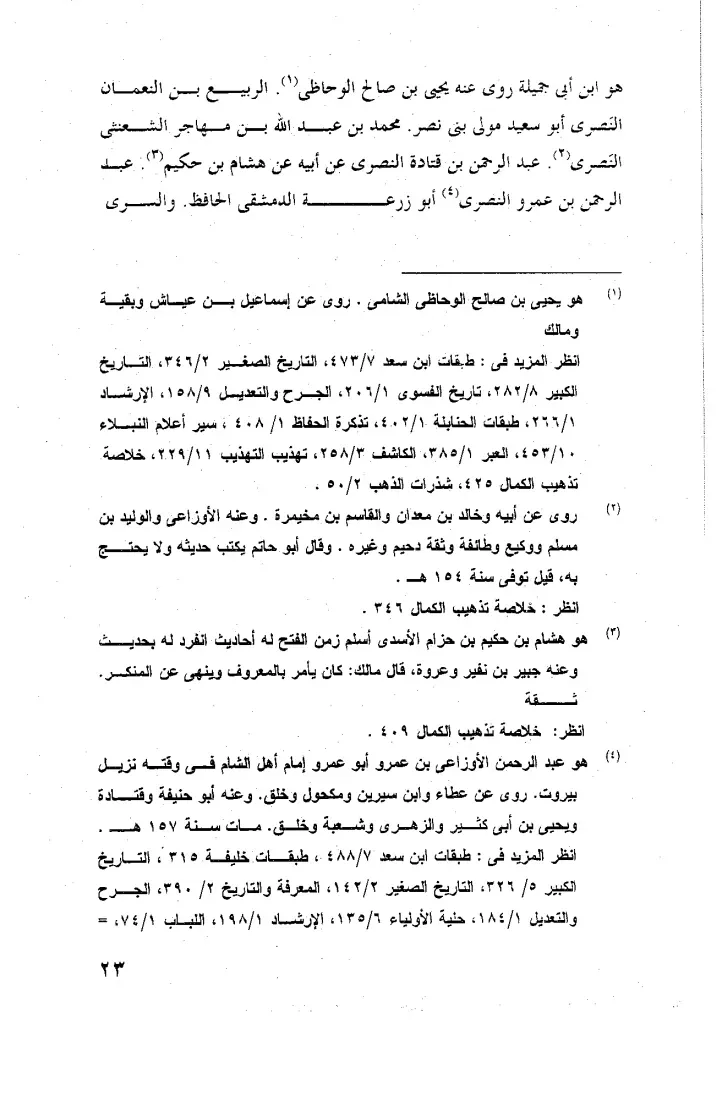
Critical edition with footnotes — source page

هو ابن أبي جميلة روى عنه يحيى بن صالح الوحاظى (١). الربيع بن النعمان النصرى أبو سعيد مولى بنى نصر. محمد بن عبد الله بن مهاجر الشعنثى النصرى (٢). عبد الرحمن بن قتادة النصرى عن أبيه عن هشام بن حكيم (٣). عبد الرحمن بن عمرو النصرى (٤) أبو زرعة الدمشقى الحافظ. والسرى

(١) هو يحيى بن صالح الوحاظى الشامى. روى عن إسماعيل بن عياش وبقية ومالك انظر المزيد فى: طبقات ابن سعد ٤٧٣/٧، التاريخ الصغير ٣٤٦/٢، التاريخ الكبير ۲۸۲/۸، تاريخ الفسوى ٢٠٦/١، الجرح والتعديل ١٥٨/٩، الإرشاد ٢٦٦/١، طبقات الحنابلة ٤٠٢/١، تذكرة الحفاظ ١/ ٤٠٨، سير أعلام النبلاء ٤٥٣/١٠، العبر ٣٨٥/١، الكاشف ٢٥٨/٣، تهذيب التهذيب ۲۲۹/۱۱، خلاصة تذهيب الكمال ٤٢٥، شذرات الذهب ٥٠/٢.

(٢) روى عن أبيه وخالد بن معدان والقاسم بن مخيمرة. وعنه الأوزاعي والوليد بن مسلم ووكيع وطائفة وثقة دحيم وغيره. وقال أبو حاتم يكتب حديثه ولا يحتج به، قيل توفى سنة ١٥٤ ه.

انظر: خلاصة تذهيب الكمال ٣٤٦.

(٣) هو هشام بن حكيم بن حزام الأسدى أسلم زمن الفتح له أحاديث انفرد له بحديث وعنه جبير بن نفير وعروة، قال مالك: كان يأمر بالمعروف وينهى عن المنكر.

ثقة انظر: خلاصة تذهيب الكمال ٤٠٩.

(٤) هو عبد الرحمن الأوزاعى بن عمرو أبو عمرو إمام أهل الشام فى وقته نزيل بيروت. روى عن عطاء وابن سيرين ومكحول وخلق. وعنه أبو حنيفة وقتادة ويحيى بن أبى كثير والزهرى وشعبة وخلق. مات سنة ١٥٧ ه.

انظر المزيد فى: طبقات ابن سعد ٤٨٨/٧، طبقات خليفة ٣١٥، التاريخ الكبير ٥ / ٣٢٦، التاريخ الصغير ١٤٢/٢، المعرفة والتاريخ ٢/ ٣٩٠، الجرح والتعديل ١٨٤/١، حلية الأولياء ١٣٥/٦، الإرشاد ۱۹۸/۱، اللباب ٧٤/١، =

Critical edition with footnotes · Raw output · no manual edits See the full page →
Operation type
3
OCR · Transliteration · Translation
Translation languages
22
including Arabic, Persian and Urdu
Output formats
Word · MD
.docx · .md
Source file retention
14 / 270 days
free / paying account

Real tests

Real pages, raw output

We uploaded these pages to our system; the text you see is the output itself, not edited by hand.

OCR · Printed Arabic · 4 footnotes

Critical edition with footnotes

Raw output · no manual edits

Critical edition with footnotes — source page

هو ابن أبي جميلة روى عنه يحيى بن صالح الوحاظى (١). الربيع بن النعمان النصرى أبو سعيد مولى بنى نصر. محمد بن عبد الله بن مهاجر الشعنثى النصرى (٢). عبد الرحمن بن قتادة النصرى عن أبيه عن هشام بن حكيم (٣). عبد الرحمن بن عمرو النصرى (٤) أبو زرعة الدمشقى الحافظ. والسرى

(١) هو يحيى بن صالح الوحاظى الشامى. روى عن إسماعيل بن عياش وبقية ومالك انظر المزيد فى: طبقات ابن سعد ٤٧٣/٧، التاريخ الصغير ٣٤٦/٢، التاريخ الكبير ۲۸۲/۸، تاريخ الفسوى ٢٠٦/١، الجرح والتعديل ١٥٨/٩، الإرشاد ٢٦٦/١، طبقات الحنابلة ٤٠٢/١، تذكرة الحفاظ ١/ ٤٠٨، سير أعلام النبلاء ٤٥٣/١٠، العبر ٣٨٥/١، الكاشف ٢٥٨/٣، تهذيب التهذيب ۲۲۹/۱۱، خلاصة تذهيب الكمال ٤٢٥، شذرات الذهب ٥٠/٢.

(٢) روى عن أبيه وخالد بن معدان والقاسم بن مخيمرة. وعنه الأوزاعي والوليد بن مسلم ووكيع وطائفة وثقة دحيم وغيره. وقال أبو حاتم يكتب حديثه ولا يحتج به، قيل توفى سنة ١٥٤ ه.

انظر: خلاصة تذهيب الكمال ٣٤٦.

(٣) هو هشام بن حكيم بن حزام الأسدى أسلم زمن الفتح له أحاديث انفرد له بحديث وعنه جبير بن نفير وعروة، قال مالك: كان يأمر بالمعروف وينهى عن المنكر.

ثقة انظر: خلاصة تذهيب الكمال ٤٠٩.

(٤) هو عبد الرحمن الأوزاعى بن عمرو أبو عمرو إمام أهل الشام فى وقته نزيل بيروت. روى عن عطاء وابن سيرين ومكحول وخلق. وعنه أبو حنيفة وقتادة ويحيى بن أبى كثير والزهرى وشعبة وخلق. مات سنة ١٥٧ ه.

انظر المزيد فى: طبقات ابن سعد ٤٨٨/٧، طبقات خليفة ٣١٥، التاريخ الكبير ٥ / ٣٢٦، التاريخ الصغير ١٤٢/٢، المعرفة والتاريخ ٢/ ٣٩٠، الجرح والتعديل ١٨٤/١، حلية الأولياء ١٣٥/٦، الإرشاد ۱۹۸/۱، اللباب ٧٤/١، =

What it did

  • Main text and four footnotes were separated, each with its number.
  • Justification stretches (الربيــــع بـــن) became clean text.
  • The page number (٢٣) stayed out of the text; the = continuation mark of the running footnote was kept.

See how your own page comes out.

Try it free

OCR · Arabic + German/French references

Yellowed old print, two scripts together

Raw output · no manual edits

Yellowed old print, two scripts together — source page

بجوار أبى السعود فى جنوبى القاهرة(١). وقد نقلت بقايا هذه الصور إلى دار الآثار العربية، حيث عرضت فى القاعة الفاطمية، وهى ملونة بالأحمر والأسود. ولا يزال يرى فى إحداها رسم إنسان تحيط برأسه هالة(٢)، وعليه عمامة جميلة. وفى يده اليمنى كأس يحمله على النحو الذى نراه كثيرا على نقوش الخزف والأوانى الفارسية الساسانية من فضة ونحاس(٣). وفى إحدى الصور الأخرى رسم طائرين متقابلين، تعلوهما فروع نباتية حمراء، وحولها شريط أسود به نقط بيضاء. وفى صورة ثالثة رأس شاب يلتفت الى اليسار. وفى صورة رابعة أثر رسم سيدة تتدلى عصابة رأسها إلى الجهة اليمنى(٤). وهذه النقوش الجصية، تدل فى مجموعها على تأثر بأساليب النقش فى إيران والعراق.

أما صناعة النحت عند الفاطميين، فالنماذج المعروفة منها ليست كثيرة العدد. وأهمها فى دار الآثار العربية كتلة من الرخام (رقم السجل ٢٩٥١)، عليها رسم سبع، نقش نقشا كبير البروز؛ ويخيّل للرائى أن هذا السبع يزحف ببطء. وتدل دقة الرسم، وبيان العضلات، وصلابة المظهر على أنه

(١) عقد ابن خلدون فى مقدّمته فصلا للكلام عن صناعة البناء أشار فيه الى تغطية الجدران بالجص و بقطع الرخام والخزف وغير ذلك. ويجدر بنا أن نشير هنا الى فصل آخر عقده ابن خلدون فى المقدمة. وموضوعه "فى أن الصنائع إنما تكمل بكمال العمران الحضرى وكثرته" . وقد اعترف فيه الفيلسوف الاجتماعى الكبير بالأسبقية لمصر فى هذا المضمار، وأشار الى بعض الصناعات الموجودة فيها، وعلق على ذلك بقوله: "... وغير ذلك من الصنائع التى لا توجد عندنا بالمغرب لأن عمران أمصاره لم يبلغ عمران مصر والقاهرة " .

(٢) ذكرنا فى مكان آخر أن هالة النور التى أخذها المسلمون عن المسيحيين لا تدل عندهم على التقديس، كما تدل فى أصلها المسيحى بل يقصد بها لفت النظر الى خطر شأن الشخص الذى ترسم حول رأسه. راجع (E. Kühnel: Islamische Kleinkunst) ج ص ٤.

(٣) انظر (Sarre: L'Art ancien de la Perse) ص ١٠٩ – ١١٠ و (Dimand: Handbook) ص ١٠٥ و (Glück und Diez: Die Kunst des Islams) ص ٤٩٤ و (R. Kœchlin und G. Migeon: Islamische Kunstwerke) اللوحة رقم ٢١.

(٤) انظر اللوحات رقم ٣ و ٤ و ٥ وراجع (Wiet: Exposition d'Art Persan (1935)) ص ٧٥ و ٧٦، و (Wiet: Album de l'Exposition d'Art Persan) اللوحتين رقم ۳۲ و ۳۳.

What it did

  • References such as Kühnel, Glück und Diez and Kœchlin came out right, umlauts and œ included; RTL and LTR runs did not mix.
  • Small footnotes were read from a skewed, yellowed scan.
  • The running head (كنوز الفاطميين ٩٦) stayed out; the old spelling (الى) was kept as printed.

See how your own page comes out.

Try it free

OCR · Printed Arabic · fully vocalized

Vocalized poetry in two-column verse

Raw output · no manual edits

Vocalized poetry in two-column verse — source page

وأنشدني بعضُ أهل الأدب هذه الأبيات، وذكر أنها لعلي بن أبي طالب عليه السلام (۱) :

[من البسيط]

إِنَّ المكارمَ أخلاقٌ مطَهَّرةٌفالعقلُ أوَّلُها والدِّين ثانيها

والعلمُ ثالثُها والحِلْمُ رابعُهاوالجُودُ خامسُها والعُرْفُ ساديها

والبِرُّ سابعُها والصبرُ ثامِنُهاوالشكرُ تاسعُها واللينُ عاشيها

والنفسُ تعلمُ أني لا أُصَدِّقُهاولستُ أَرشُدُ إلا حينَ أعصيها

والعينُ تعرفُ في عينَيْ مُحدِّثهاإن كان من حِزبها أو من أعاديها

عيناك قد دَلَّتا عينيَّ منكَ علىأشياءَ لولاهما ما كنتَ تُبديها

واعلم: أن العقل المكتسَب لا ينفكُّ عن العقل الغريزيّ ؛ لأنه نتيجةٌ منه، وقد ينفكُّ العقلُ الغريزيُّ عن العقل المكتسَب، فيكون صاحبُه مسلوبَ الفضائل، موفورَ الرذائل؛ كالأَنْوَكِ الذي لا تجد له فضيلةً ، والأحمقِ الذي قلَّما يخلو من رذيلة (٢) .

وقد رُوي عن النبي صلى الله عليه وسلم أنه قال: « الأحمقُ أبغضُ خَلْقِ الله إليه؛ إذ حرمَه أعزَّ الأشياء عليه » (۳) .

وروي عن النبي عليه السلام أنه قال: « الأحمقُ كالفَخَّار لا يُرقَعُ ولا يُشْعَبُ » (٤) .

وقال بعض الحكماء: ( الحاجةُ إلى العقل أقبحُ من الحاجة إلى المال ) (٥) .

وقال بعض البلغاء: ( دولةُ الجاهل عبرةُ العاقل ) (٦) .

(۱) الأبيات في « ديوانه » ( ص ٢٦٥ ) .

(۲) الأنوك: العاجز الجاهل العيي في كلامه، وأول درجات الجاهل: المائق، ثم الرقيع، ثم الأنوك، ثم الأحمق، نسأل الله العافية.

(۳) ذكره النويري في « نهاية الأرب » ( ٣٥٣/٣ ) .

(٤) رواه في « روضة العقلاء » ( ٤٩٣/١ ٤٩٤ ) من قول وهب بن منبه رحمه الله.

(٥) أورده في « ديوان المعاني » ( ٩٢/٢ ) ونسبه لأرسطاطاليس.

(٦) أورده في « الكشكول » ( ١٣١/٢ ) .

What it did

  • Shadda, fatha and kasra are in place: إِنَّ المكارمَ, أُصَدِّقُها, حِزبها.
  • The two-column poem did not split by column; each verse kept its two hemistichs, and the metre label [من البسيط] stayed.
  • The ornamental frame and page number (٥٥) stayed out; « » and ( ) match the source.

See how your own page comes out.

Try it free

OCR · Handwriting · first paragraph only

Handwritten Turkish memoir

Raw output · no manual edits

Handwritten Turkish memoir — source page

Bu şehre gelen yabancılar, ürkerek, korkarak, adeta, yanlış ve asıl olmayan söylemlerden dolayı ağlayarak gelir, ve yine ağlayarak ayrılırlardı bu şehirden... bu seferde neden, Diyarbekirin insanının misafirperverliğinden, mertliğinden komşuluğundan, hele hele verdiği üstün değerden daha doğrusu insanlığından, unutamadığı, ve yeri doldurulmayan kişiliğinden ağlayarak ayrılırdı bu şehirden... Hayatı boyuncada bu şehrin insanını anlatmakla bitiremiyorlardı bu şehre gelenler.

What it did

  • Slanted, cramped and overwritten lines became readable text.
  • A word hyphenated across lines (dolduru-lmayan) was joined.
  • The author's spelling was kept as written: boyuncada, Diyarbekirin. A faithful transcript.

See how your own page comes out.

Try it free

OCR · English typescript · ā ṣ ḥ ʻ

Typewritten thesis, hand-drawn transliteration

Raw output · no manual edits

Typewritten thesis, hand-drawn transliteration — source page

562/May, 1167, he went to Damascus where he was welcomed by the chief qādī Kamāl al-Dīn al-Shahrazūrī who lodged him in the al-Nūriyya Madrasa. ⁶⁶ At this time, he met Saladin, his father Najm al-Dīn, and his uncle Asad al-Dīn Shīrkūh. The Sultan Nūr al-Dīn soon made him a secretary (kātib) and an ambassador. In Rajab, 567/March, 1173, Nūr al-Dīn appointed him to the teaching position in the al-Nūriyya Madrasa which came to be called the al-ʻImādiyya after him. A year later he was placed in charge of the chancellery. When the Sultan died in 569/1173, he was forced to leave Syria and went to Bagdad and then al-Mawṣil. When Saladin invaded Syria, he returned to that country and joined him in Shaʻbān, 570/February-March, 1175. ʻImād al-Dīn became Saladin's confidant and advisor, second perhaps to only al-Qāḍī al-Fāḍil. It was while in the service of Saladin that he had occasion to go to Alexandria and attend al-Silafī's courses. He remained with Saladin, going on all of his campaigns, until the latter died. ʻImād al-Dīn then returned to private life and his writing. ⁶⁷

He wrote two works, al-Fatḥ al-qussī fī 'l-fatḥ al-qudsī⁶⁸, and al-Barq al-shāmī, which together with Bahāʼ al-Dīn b. Shaddād's Sīrat Ṣalāḥ al-Dīn,⁶⁹ are the fundamental sources for the life of Saladin. The first book, beginning with preparations for the battle of Ḥiṭṭīn (583/1187) and ending with Saladin's death (589/1193), is not of particular interest to us. The al-Barq al-shāmī is more useful, for it includes the last crucial years of the Fāṭimids and Saladin's role in their downfall. It is a year by year account from 562/1166 to 589/1193 of the author's activities combined with a chronicle of events

What it did

  • Macrons, underdots and ʿayn added by pen became standard characters: al-Mawṣil, al-Qāḍī al-Fāḍil, Ḥiṭṭīn, ʻImād.
  • Words split at line ends were joined (coun-try, re-mained, par-ticular); footnote numbers stayed superscript.
  • The author's choice was kept: Bagdad was not changed to Baghdad.

See how your own page comes out.

Try it free

Transliteration · Manuscript · Ottoman → Latin

Ottoman ruqʿa manuscript, direct transcription

Raw output · no manual edits Yellow: where the model went wrong

Ottoman ruqʿa manuscript, direct transcription — source page

سبحانه

cüzʾ-i evveliñ 160 ncı ṣaḥīfesine mābaʿd

müşārun-ileyh ebū miŝlū acūze mekteb ve berāy-ı baʿżı ʿaḳliyesine nihāyet olmayup ez-cümle bir gün daḫī mechūlü olan bir şaḫṣa ʿaṭf-ı nigāh ederek bu şaḫṣı şehr vasaṭında bir mekteb muʿallimidir ve firārda bulunan ġulāmını aramaḳdadır dirdi ve teftīşi ve tefaḥḥuṣı olunduḳda ifāde-si gibi çıḳdı. Āyāsıñ şaḫṣ-ı mebḥūŝ maʿlūmı degil iken aḥvālina ve vaḳfī bir emr-i ġarīb olmaġla keyfiyet nefesinden istifsār eylediklerinde āyāsı gördüm ki çārşū ve bāzārda gezdigi eṭrāf ve emākinle diḳḳatle nigerān olur

What it did

  • A yellowed, stained ruqʿa manuscript with red marks went straight to scholarly transcription: ṣaḥīfe, ġulām, tefaḥḥuṣ, ʿaṭf-ı nigāh.

Places to check

  • Every yellow word is a model error. The heading سبحانه, the ending of “müşārun-ileyh”, “acūze” and the first “mekteb” do not match the source.
  • Three more errors: “nefesinden” (source نفسندن, nefsinden), “vaḳfī bir emr-i” (وقوفى براز, vuḳūfı biraz), “emākinle” (اماكنه, emākine).

See how your own page comes out.

Try it free

OCR · Printed Turkish + vocalized Arabic

Modern Turkish edition with Qurʾānic verses

Raw output · no manual edits

Modern Turkish edition with Qurʾānic verses — source page

BİRİNCİ BÂB

İLMİN, TA'LİM VE TA‘ALLÜM'ÜN FAZİLETİYLE BUNLARIN AKLÎ VE NAKLÎ DELİLLERİ BEYÂNINDADIR.

İLMİN FAZÎLETİ

KUR'AN-I KERİM'DEN DELİLLER:

«شَهِدَ اللَّهُ أَنَّهُ لَا إِلَهَ إِلَّا هُوَ وَالْمَلَائِكَةُ وَأُولُوا الْعِلْمِ قَائِمًا بِالْقِسْطِ»

«Allah, şu hakıykatı : Kendinden başka hiç bir Tanrı olmadığını, adâleti ayakta tutarak (delilleriyle, âyetleriyle) açıkladı. Melekler (bunu ikrâr etti, hakikî) ilim saahibleri (nebîler, âlimler) de (böylece inandı.)» (3 - Âl-i ‘İmrân : 18)

Bak! Allahu Teâlâ nasıl kendi zâtiyle başladığı şehâdette, ikinci derecede melekleri, üçüncü derecede de ilim ehlini zikretmiştir. Allahu Teâlâ'nın ilme verdiği kıymeti anlatmağa yalnız bu âyet bile kâfirdir.

«يَرْفَعِ اللَّهُ الَّذِينَ آمَنُوا مِنْكُمْ وَالَّذِينَ أُوتُوا الْعِلْمَ دَرَجَاتٍ»

«Allah içinizden îmân edenleri yüceltir; bunlardan kendilerine ilim verilmiş olanları ise, kat kat derecelerle yükseltir.» (58 - Mücâdele : 11)

Bu âyetin tefsirinde İbn Abbâs (R.A.) Hazretleri buyuruyor ki: «Âlimler ile câkiller arasında yedi yüz derece fark vardır. Her derecenin arası da beş yüz senelik yol kadardır.»

«قُلْ هَلْ يَسْتَوِي الَّذِينَ يَعْلَمُونَ وَالَّذِينَ لَا يَعْلَمُونَ»

«De ki, hiç bilenlerle bilmeyenler bir olur mu?» (39 - Zümer : 9)

What it did

  • Verses came out as vocalized Arabic and the gloss as fluent Turkish; the two scripts did not mix.
  • Old spelling was kept: hakıykat, saahib, anlatmağa, circumflexed â î.
  • Heading levels (chapter, subtitle, section) were recognised; split words (böyle-ce, Mücâ-dele) were joined.

See how your own page comes out.

Try it free

Transliteration · Printed Ottoman · verses + couplet

Printed Ottoman book into Latin script

Raw output · no manual edits

Printed Ottoman book into Latin script — source page

Mukaddime-i Ûlâ

Mukaddime-i ûlâ fazîlet-i ilm ve ta‘allüm ve talîmi beyân ve her birinin fazîletini âyât ve ehâdîs ve ahbâr ve âsâr-ı ahyâr ile ve zâde-i tab‘-ı selîm ve makbûl-i akl-i müstakîm olur edille-i kaviyye ile isbât ve iyân etmektedir. Ve edille-i mezkûrenin her birinden mikdâr-ı kalîl ile iktifâ etmekte ulemâ-i müdakkikîn isrine ıktifâ olunmuştur. Zira itibar edillenin kuvvetinedir kesretine değildir.

Fazîlet-i İlm

Ammâ Kitâbullah'ta vârid olan edilledendir Hak teâlânın ﴿شَهِدَ اللّٰهُ اَنَّهُ لَٓا اِلٰهَ اِلَّا هُوَ وَالْمَلٰٓئِكَةُ وَاُولُوا الْعِلْمِ﴾ kavl-i şerîfi. İmdi nazar eyle ki Hak teâlâ şehâdet-i mezkûreyi ne keyfiyet ile eylemiştir. Evvelâ nefsi ile ibtidâ edip ve sâniyen melâikeyi ve sâlisen ulemâyı zikr eylemiştir. Ve yine tenzîl-i celîlde vârid olmuştur; ﴿يَرْفَعِ اللّٰهُ الَّذِينَ اٰمَنُوا مِنْكُمْ وَالَّذِينَ اُوتُوا الْعِلْمَ دَرَجَاتٍ﴾. İbn-i amm-i seyyidi'n-nâs Hazret-i İbn Abbâs radıyallahu anhumâ bu âyette buyurmuştur ki ulemâ için sâir müslimînin fevkinde yedi yüz derece vardır. Her derecenin mâbeyni beş yüz yıllık mesâfedir. Ve yine Hak teâlâ buyurmuştur; ﴿قُلْ هَلْ يَسْتَوِي الَّذِينَ يَعْلَمُونَ وَالَّذِينَ لَا يَعْلَمُونَ﴾. İmdi ilme ve ehline bu şeref-i asîl ve mecd-i esîl kâfi değil midir ki Hazret-i Rabb-i celîl anlar hakkında böyle âyât-ı kerîme tenzîl eyleye.

Beyt

ومَن كانَ حَقٌّ لَهُ مَادِحًا

فحقٌّ على النّاسِ أَنْ يَمْدَحُوهُ

Tercüme

Bir kişinin mâdihi kim ola Hak

Halk anı medhetmeye olur ehak

Ammâ ahbârda vârid olan edilledendir ki Nebî aleyhisselâm buyurmuştur;

What it did

  • Ottoman prose was transcribed with its compounds: fazîlet-i ilm, edille-i kaviyye, İbn-i amm-i seyyidi'n-nâs.
  • Verses and the Arabic couplet stayed in Arabic script inside ﴿ ﴾; Turkish prose and the translated couplet moved to Latin script.
  • The modern Turkish edition of the same work is sample 7; the two outputs can be compared.

See how your own page comes out.

Try it free

Honest output

How many errors on a manuscript page?

We transcribed a yellowed, stained ruqʿa manuscript into Latin script and left the output untouched. We marked the words the model got wrong in yellow.
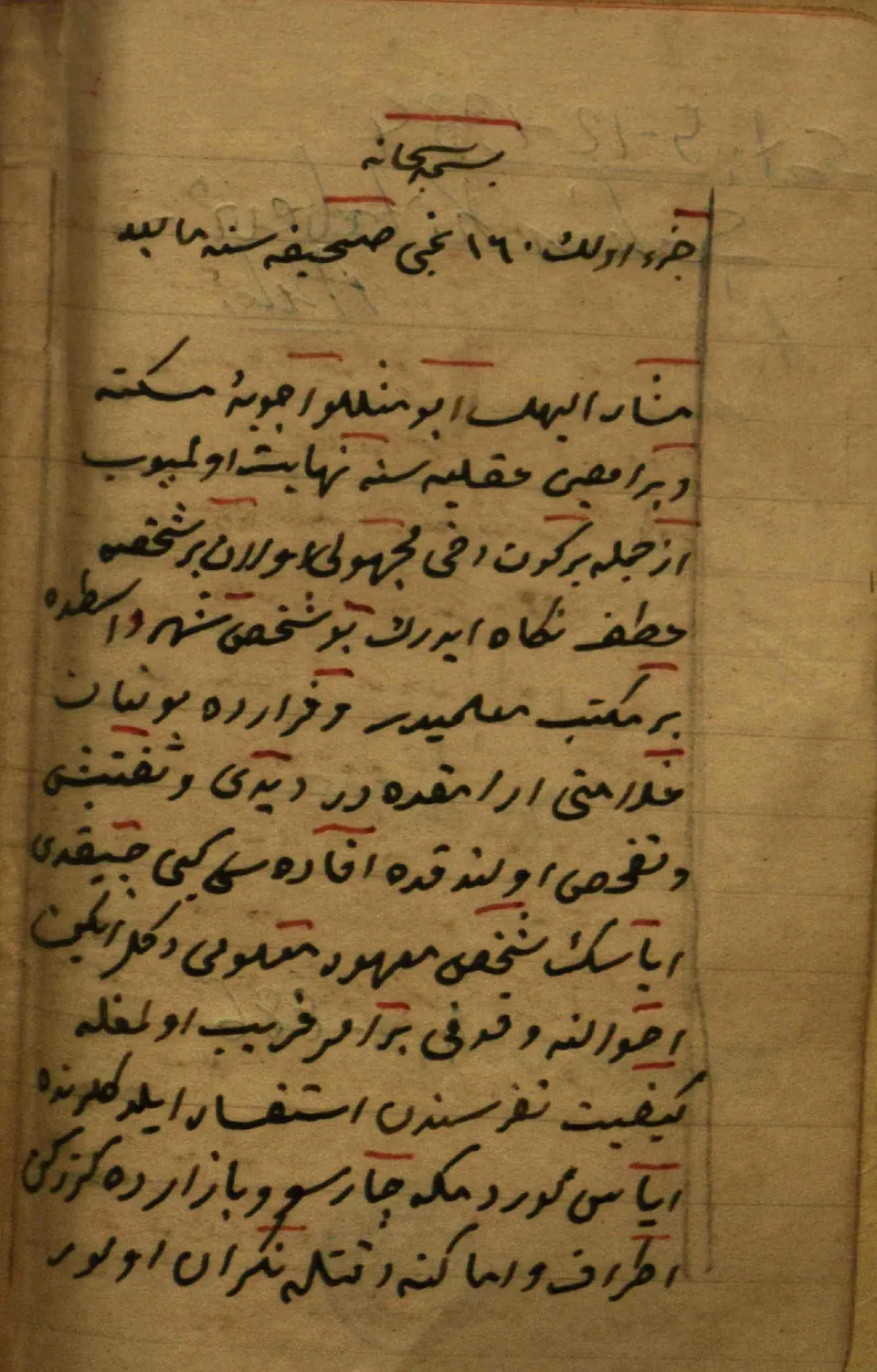
Ottoman ruqʿa manuscript, direct transcription — source page

7 errors / 80 words

سبحانه

cüzʾ-i evveliñ 160 ncı ṣaḥīfesine mābaʿd

müşārun-ileyh ebū miŝlū acūze mekteb ve berāy-ı baʿżı ʿaḳliyesine nihāyet olmayup ez-cümle bir gün daḫī mechūlü olan bir şaḫṣa ʿaṭf-ı nigāh ederek bu şaḫṣı şehr vasaṭında bir mekteb muʿallimidir ve firārda bulunan ġulāmını aramaḳdadır dirdi ve teftīşi ve tefaḥḥuṣı olunduḳda ifāde-si gibi çıḳdı. Āyāsıñ şaḫṣ-ı mebḥūŝ maʿlūmı degil iken aḥvālina ve vaḳfī bir emr-i ġarīb olmaġla keyfiyet nefesinden istifsār eylediklerinde āyāsı gördüm ki çārşū ve bāzārda gezdigi eṭrāf ve emākinle diḳḳatle nigerān olur

Raw output · no manual edits Yellow: where the model went wrong List of errors →

This is a single page; results vary with the script and the scan quality.

Get started in three steps

  1. 01

    Upload your document

    Add PDF, image, Word or Markdown files and select the pages to process.

  2. 02

    Choose an operation

    Choose recognition, transliteration or translation, and a model. See the amount on the confirmation screen before you start.

  3. 03

    Review and download

    Review the text alongside the source, make corrections, and download it in the format you need.

All features →

Translation

Read it once, read it in any language

Translate a recognized work or your Word and Markdown files with academic document translation. Correct the translation in the editor and download it as Word or Markdown.

  • 22 target languages, including right-to-left languages such as Arabic, Persian and Urdu
  • Direct translation of Word (.docx) and Markdown files
  • Progress is saved; a paused translation resumes where it stopped

Translation languages

  • Türkçe
  • English
  • العربية
  • Osmanlı Türkçesi (çeviriyazı)
  • فارسی
  • اردو
  • Français
  • Deutsch
  • Español
  • Italiano
  • Português
  • Русский
  • Українська
  • 简体中文
  • 繁體中文
  • 日本語
  • 한국어
  • हिन्दी
  • Bahasa Indonesia
  • Bahasa Melayu
  • Nederlands
  • Polski

We picked these pages. Try your hardest one.

Sign up, process a sample page with every model and compare the results side by side. No payment is needed for the trial.

Confirm the action